

What is Changing in India's Pharmaceutical Industry?
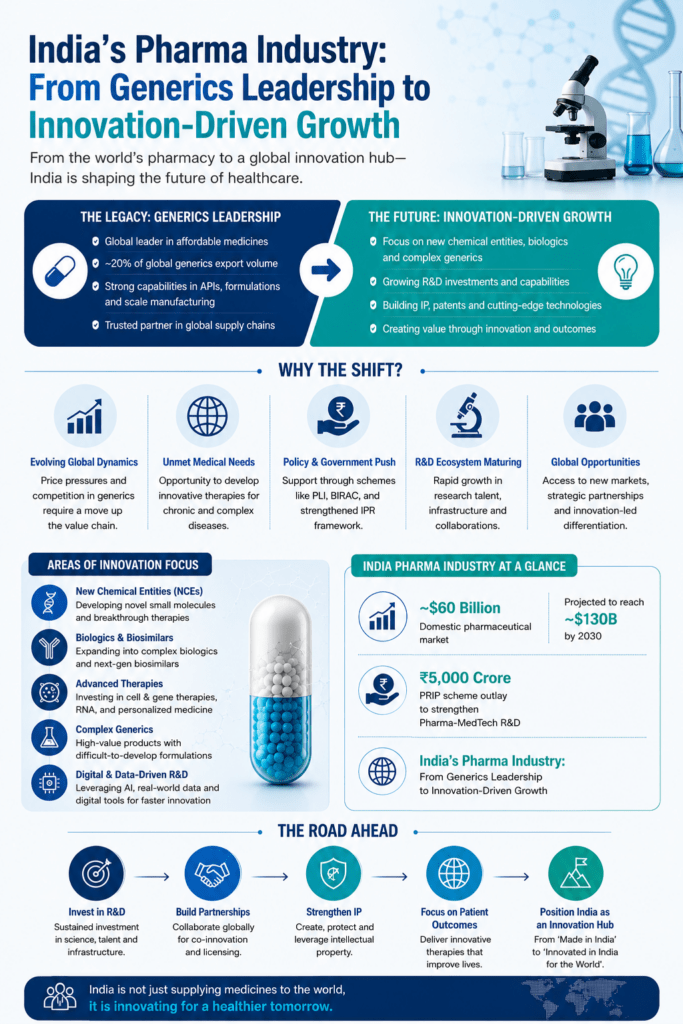
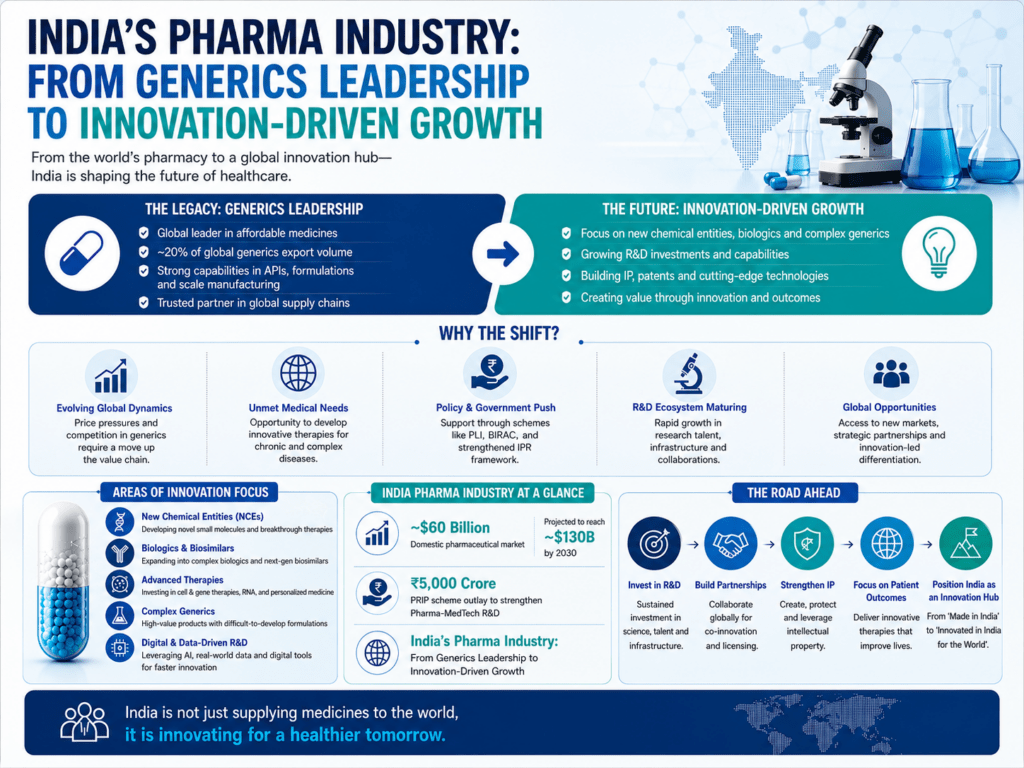
The country became a global leader in affordable medicines by developing strong capabilities in generic drug manufacturing, active pharmaceutical ingredients (API), formulations, and large-scale production. India remains to have a vital part in the global supply chains, providing medicines to the world’s markets while maintaining its position as a leader in generic drugs.
India is slowly moving away from being the primary focus of “The pharmacy worldwide” to becoming a contributing factor to global innovation in pharmaceuticals. The focus is shifting to biosimilars, specialty medicines such as complex generics, new treatments, biotechnology, as well as innovative drug creation. This evolution is not just changing the way Indian firms develop products they are also changing the worlds regulatory strategies.
When companies enter international markets, their success will be dependent on more than just manufacturing capabilities. It will require more robust medical strategies and regulatory planning, as well as quality management systems, as well as global market access experience.
Expanding Innovative Products from India to Global Markets?
Navigate India's evolving regulatory landscape with DDReg Pharma's expert support for regulatory strategy, product approvals, dossier preparation, global submissions, and lifecycle management.
Explore India Regulatory Services →From Generic Manufacturing Leadership to Innovation-Driven Growth
The Indian pharmaceutical industry gained worldwide recognition due to its ability to produce top-quality drugs effectively.
The traditional strengths included:
- Large-scale manufacturing infrastructure
- Cost-effective production
- Pharmaceutical workforce with expertise
- Strong formulation expertise
- International regulatory experience
This model has helped Indian companies to become trustworthy partners in global supply of pharmaceuticals. This is a significant India pharmaceutical industry shift -which is dependent on scientific advancement instead of manufacturing volume by itself.
Why is India Moving Beyond Traditional Generics?
The trend towards technology is driven by several elements.
1. Pressure on the Generic Drug Business
Generics continue to be an important base however; they are becoming increasingly difficult to discern.
Companies are investigating:
- Complex generics
- Special formulations
- Biosimilars
- New drug candidates
- Advance therapies
The future opportunities lie in the development of products that require greater scientific expertise and will provide greater value.
2. Growing Drug Development Capabilities in India
The development of new drugs in India is aided by improvements in biotechnology infrastructure, research infrastructure, capabilities as well as clinical research networks and initiatives of the government focusing on the development of new pharmaceuticals.
Indian businesses are investing increasingly in:
- Discovery research
- Clinical development
- Translational medicine
- Biotechnology platforms
- Digital health solutions.
This transition doesn’t mean that India will be letting generics go. Instead, companies are constructing on their existing manufacturing bases to expand into more innovative areas.
What are the Key Innovation Areas Transforming Indian Pharma?
1. Biosimilars
Biosimilars are among the most prominent instances of India’s shift towards modern pharmaceutical development.
Unlike conventional generics, biosimilars require:
- Advanced analysis and characterization
- Comparability studies
- Manufacturing consistency
- Clinical evidence
The regulatory process is much more complex since biological products are more sensitive to changes in manufacturing.
For companies that are entering international markets, the success of biosimilars relies on early planning of regulatory requirements and solid scientific evidence.
2. Complex Generics
Indian companies are increasingly moving toward difficult-to-manufacture products, including:
- Injectable medicines
- Specific formulations
- Products with modified release
These products require more:
- Formulation expertise
- Analytical methods
- Manufacturing controls
3. Advanced Therapies and Novel Medicines
India’s ecosystem for innovation is expanding into other areas like:
- Gene therapy and cell therapies
- Precision medicine
- Novel molecules
- AI-assisted drug discovery
The areas that require them need a totally different mindset to regulate compared to conventional generic approvals.
How Pharmaceutical Innovation is Changing Global Regulatory Strategy?
The transition from standard manufacturing to innovative alters the entire development process.
Traditional generic approach:
Production capability, Quality conformity – market approval
Innovation-driven approach:
The scientific discovery Development of clinical trials- CMC regulatory strategy – eCTD Regulatory submission – Access to the global market
Regulatory Differences: Generics vs Innovation Products
| Area | Traditional Generics | Innovation Products |
|---|---|---|
| Development Focus | Equivalence and quality | Safety, efficacy, innovation |
| Evidence Required | Bioequivalence data | Clinical trial evidence |
| Manufacturing Focus | Consistency and compliance | Product understanding and lifecycle control |
| Regulatory Strategy | Approval-focused | Development-to-commercial strategy |
This shift requires companies to strengthen their regulatory capabilities.
FDA Regulatory Requirements for Indian Pharma Companies
For Indian firms that are targeting markets that are regulated particularly those in the United States, regulatory expectations are constantly evolving. The fulfilment of FDA regulations requirements for Indian pharmaceutical businesses requires a lot of abilities across.
Quality Systems
Companies must demonstrate:
- GMP compliance for pharmaceutical companies
- ALCOA+ data integrity principles
- Manufacturing controls
- Inspection readiness
The requirement for regulatory compliance is no longer just an approval requirement -it’s an advantage in competition.
Clinical and Regulatory Documentation
Products that are focused on innovation require extensive documentation on:
- Clinical evidence
- Manufacturing processes
- Analytical methods
- PV Risk management
- Product lifecycle planning
Regulatory Lifecycle Management
Approval is just one of the steps.
The companies must also deal with:
- Post-approval changes
- Manufacturing updates
- Safety monitoring
- Regulatory commitments
India's Regulatory Evolution: Preparing for Innovation
The regulatory environment in India is also changing to encourage the development of new technologies.
The most recent efforts centered on:
- Digital regulatory processes
- Faster approval pathways
- Better quality supervision
- More aligned with international standards
The Central Drugs Standard Control Organisation (CDSCO) has implemented reforms that aim to improve efficiency in transparency, efficiency, and the procedures for regulating. A stronger regulatory framework will be crucial as India expands in biologics, advanced therapy and new medicines.
The Role of Regulatory Expertise in Global Expansion
As the development of pharmaceuticals gets more complicated regulatory expertise becomes an important aspect of strategic planning.
Companies that want to enter global markets may require assistance in:
- Regulatory pathway selection
- FDA interactions
- Submission planning
- Compliance assessments
- Market authorisation strategy
Experts in US pharmaceutical regulatory affairs services can assist companies in navigating complicated regulatory requirements and improve the likelihood of receiving international approvals. A solid regulation strategy is essential to bring together scientific advancement and marketing access.
What Challenges Does India's Pharma Industry Need to Address?
While the potential is huge, the move to technology has its own challenges.
1. Increasing R&D Investment
Innovation requires ongoing investment in:
- Research infrastructure
- Science talent
- Clinical Development Service
India has made strides, but more investment is required to keep pace with established markets for innovation.
2. Building Advanced Regulatory Expertise
The new areas of technology require specialist expertise in:
- Biologics regulation in India
- advanced therapies
- Global submission pathways
- Lifecycle management
3. Strengthening Industry-Academia Collaboration
Innovative ecosystems based on innovation thrive on strong connections between:
- Universities
- Research organizations
- Biotechnology firms
- Pharma manufacturers
How Companies Should Prepare for India's Next Pharma Phase
Companies that are looking to form partnerships with Indian pharmaceutical organizations should look at:
- Regulatory maturity
- Quality systems
- Global approval experience
- Clinical development capabilities
- Manufacturing expertise
- Innovation pipeline
For Indian companies that are expanding internationally:
- Develop early regulatory strategies
- Know international expectations
- Strengthen CMC capabilities
- Put your money into quality systems
- Develop global submission expertise
Conclusion
India’s future pharmaceutical industry cannot be determined solely by the scale of manufacturing. The next step will be shaped by the latest innovations and technological maturity, regulatory maturity as well as the global cooperation.
The shift from generic manufacturing to innovative will bring about a radical shift in the way pharmaceutical companies take on the development process and access to markets. Companies that comprehend this shift and can adapt their regulations early will be better placed to compete in the global market.
India’s progress is shifting from creating medicines with efficiency to assisting in shaping the next wave in healthcare technology.
Frequently Asked Questions
India is moving towards technological advancement as pharmaceutical companies are facing growing competition from generics that are traditional, while opportunities are growing in specialty medicines, biosimilars and new therapies.
The change requires businesses to be more focused on the development of clinical trials, CMC planning, regulatory compliance and strategies for international submissions.
The most important areas are the biosimilars industry, as well as complex generics biotechnology as well as gene and cell therapies and digital health.
Companies need to address FDA requirements such as quality standards, expectations for clinical evidence documents, and the lifecycle of compliance.
Compliance with pharma regulations allows companies to maintain quality of their product to meet international expectations and reduce the risk of approval and ensure long-term market success.