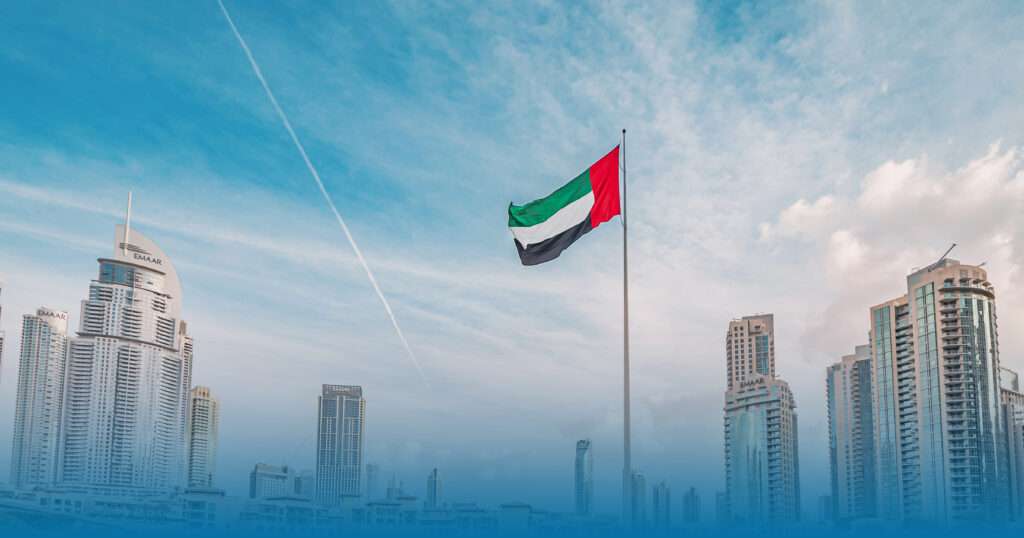
The UAE pharmaceutical market is one of the fastest growing in the Middle East, offering global manufacturers access to a strategically located hub with strong government support. However, market entry requires strict adherence to MOHAP and EDE regulations, covering safety, quality, and compliance at every stage of product authorization. You must obtain official permission and adhere to stringent safety and quality standards before you can sell any medicines or drugs product in the United Arab Emirates. This is because every step in the market authorization process is crucial.
In recent years, the United Arab Emirates or UAE, has emerged as a regional centre for healthcare investment and pharmaceutical innovation. For pharmaceutical companies to enter the Middle East market, the UAE pharmaceutical market presents vast opportunities due to its unique location, strong healthcare system, and government-backed initiatives.
Planning to Register Your Pharmaceutical Products in the UAE?
Simplify market entry with DDReg Pharma's end-to-end UAE Regulatory Affairs Services, including regulatory strategy, dossier preparation, product registration, authority liaison, and lifecycle management.
Explore UAE Regulatory Services →Key Regulatory Guidelines for Product Registration in UAE Market
- The Federal Decree of Law No. 38, (Effective from January 2, 2025): It is the main law that governs pharmaceutical establishments, pharmacy rules, and medical products registration. Regulates import/export pricing, manufacturing, distribution, and registration.
- Emirates Drug Establishment (EDE): The Emirates Drug Establishment (EDE), established in 2023, is the federal authority overseeing regulation of pharmaceuticals and medical goods in the UAE. Its responsibilities include clinical and non-clinical testing, pharmacovigilance oversight, and drug approvals. Ministry of Health and Prevention or MOHAP: Primary agency for facility licensing, product import, and drug registration in UAE.
What are the steps followed for any Product Registration in UAE Market?
Step | Activity | Key Requirements/Documents |
1. Pre-application/ Planning | Define the product type (conventional biologic or natural source). Determine the category. Confirm through the local agent or MAH to see if the reference authorities have already approved the dossier. Develop a regulatory strategy for UAE | Manufacturing data, quality control (QC) reports, stability data, clinical and non-clinical studies (if applicable). |
2.Registration of Manufacturing Process & Sites | Register the manufacturing site with MOHAP (or EDE). This applies to conventional medicines, herbal products, and general sale list (GSL) items. | GMP certificates, manufacturing licenses, company profile, site master file, product lists, and authorization letters. |
3.Marketing Authorization Registration | Ensure the Marketing Authorization Holder (MAH) is legally established. If the MAH is located outside the UAE, appoint a licensed local agent recognized by MOHAP/EDE. | Legal records, agency agreements, company registration/licensing documents, and evidence of authorization. |
4.Dossier Submission | Submit the technical dossier in eCTD format. For natural or herbal products, provide additional supporting data to verify origin and safety. | GMP certificates, legalized and authenticated documents, Arabic translations of labels, product samples, and relevant manufacturing information. |
5.Technical Evaluation | MOHAP and EDE technical committees evaluate the dossier for quality, safety, and efficacy. They may request additional testing such as bioequivalence (for generics), stability studies, or quality control lab analysis.) | Supplementary study data or test results, if requested by the authority. |
6.Market Registration | Once all conditions are satisfied, a certificate of registration or marketing authorization is issued. | Final approval letters and confirmation of compliance with MOHAP/EDE requirements. |
Timeline for Product Registration in UAE Market
Process | Estimated Time | Fees |
Company Registration | 1–3 months | 5,000–10,000 |
Product Registration | 6–12 months | 10,000–20,000 |
Renewal (every 5 years) | ~3 months | 5,000+ |
Variation Submission | ~1–3 months | 2,000–5,000 |
Note: Fees vary depending on product type, dossier complexity, and fast-track eligibility. MOHAP facilities fast-track registration for lifesaving or critical care products.
Process of Market Authorization of any Product Registration
All packaging and drug labeling must comply with MOHAP and ESMA requirements. Labels should be bilingual (Arabic and English), include batch and registration numbers, ingredient lists, manufacture/expiry dates, storage conditions, health warnings, and GS1-compliant barcodes or QR codes for traceability.
Steps followed in UAE Drug Approval & Compliance
Compliance in the UAE requires ongoing pharmacovigilance, including timely submission of safety updates and adverse event reports. MOHAP conducts regular audits and inspections, with GMP compliance checks at manufacturing sites. Any changes in source, packaging, or formulation must be pre-approved. Non-compliance may result in fines, product bans, or license revocation.
Challenges faced while registering your product in UAE Pharmaceutical Market
Challenges faced while registering your product in the UAE Pharmaceutical Market
- Incomplete dossiers: Inadequate bioequivalence data or lack of stability data and certificates (such as CPP GMP Halal, etc.)
- Inconsistent labelling and translation problems: Artwork must precisely match what is approved on the Arabic translations.
- Delays in PV officer setup or approval: PV plan evaluation may be postponed if the QPPV is not a local UAE resident or does not have the necessary credentials.
- Incorrect product classification: Incorrect product classification can result in submission under the wrong regulatory track, leading to significant delays or outright rejection.
Recent Advancements
- Submissions are made easier & faster through online portals or the UAE Pass digitization mode. For example, the MOHAP e-Services Portal.
- Increased focus on pharmacovigilance, which involves ADR reporting via mobile or app platforms (e. g., UAE RADR) and more stringent requirements for PV plans.
- More details on the registration processes and purity/hygiene requirements for natural and herbal products, with more attention to banned substances.
- More attention towards the supply of dietary supplements, medical equipment and cosmetics, at low cost.
- Supply chain, integrity, temperature controls and other aspects of manufacturing facilities, such as marketing offices and warehouses, should all be standardized and audited properly. For instance, Tatmeen is used to monitor full drug traceability.
Conclusion
The UAE offers a gateway to the GCC and MENA pharmaceutical markets, but success requires strategic planning, regulatory expertise, and continuous compliance. With local partnerships and a proactive regulatory approach, companies can establish a strong presence in this competitive market.
How DDReg can help you?
At DDReg, we specialize in regulatory affairs services and pharmacovigilance solutions tailored to the UAE market. With 16+ years of expertise and proven success in navigating MOHAP and EDE requirements, we help pharmaceutical companies achieve faster registrations, secure compliance, and expand across the Middle East.
Read more from DDReg Experts here: Step-by-Step Guide to New Drug Registration and Approval in India